
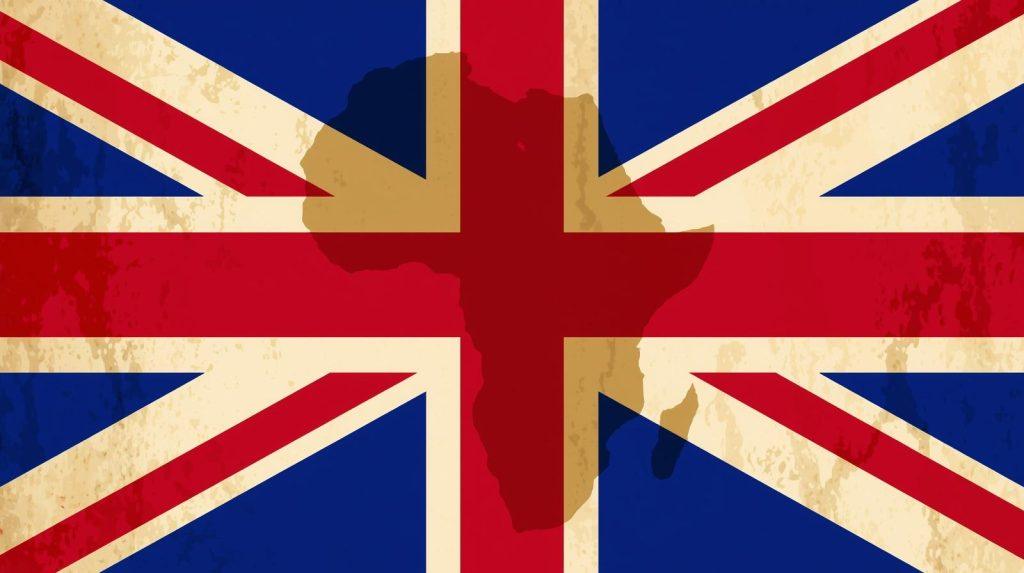
Under the new framework, the U.K. plans to mobilize British firms and financial institutions to increase investment in infrastructure, technology, clean energy and trade finance, and to help African countries integrate more fully into global markets. British International Investment, UK Export Finance and other public-private vehicles are expected to play leading roles in channeling capital toward sustainable enterprises.
Officials said the policy will build on existing trade schemes, such as the Developing Countries Trading Scheme and a network of economic partnership agreements, while also backing the African Continental Free Trade Area, which aims to knit together the largest single market in the world and expand intra-African commerce.
The approach reflects a broader shift in global development thinking, in which direct aid is increasingly viewed as insufficient to drive long-term economic transformation. At the same time, official development finance has declined in many donor countries, even as African leaders and international experts argue for deeper investment in enterprise, infrastructure and private capital markets as engines of growth.
Government documents emphasize that the strategy, which the U.K. will promote during its 2027 presidency of the G20, aims to create partnerships that allow African countries to shape their own development priorities and attract capital that can generate jobs and broader economic benefits.
The policy also acknowledges persistent challenges such as migration, climate change and security, and signals British intentions to work with African governments on these issues through economic cooperation rather than aid alone. Efforts to streamline trade rules, strengthen local capital markets and create more robust investment pipelines are central to officials’ stated goals.
Critics of the shift argue that slashing aid budgets too rapidly could weaken humanitarian support in places facing urgent crises, even as others see the emphasis on investment as a pragmatic evolution of international engagement in a world where Africa’s economies are among the fastest-growing globally.
As London pursues this new chapter of economic diplomacy, its ability to translate rhetoric into tangible investment and sustainable development outcomes in African nations will be closely watched by governments, investors and civil society on both continents.
