
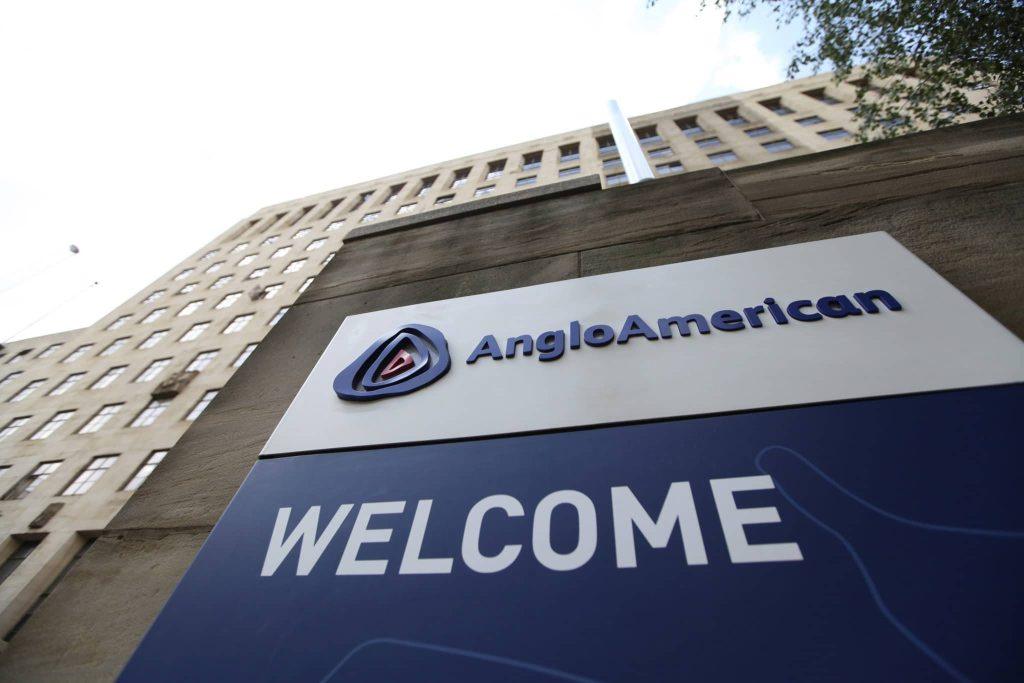
The relocation signals the end of a long chapter in which the mining giant, once deeply embedded in South Africa’s economic fabric, has gradually restructured its operations amid shifting global demand and domestic challenges, including high costs and infrastructure bottlenecks. While some assets and corporate listings will remain in South Africa, the move of the group’s principal base underscores how global market forces are reshaping the industry’s geography.
The newly formed company has pledged substantial investments in Canada over the next decade, including commitments to job creation and participation in the local mining ecosystem. It also plans to retain listings on stock exchanges in London, Johannesburg, Toronto and New York.
For South Africa, the development has stirred debate. Supporters of the deal point to the potential for new capital and expanded market reach. Critics, however, view the shift as emblematic of a broader trend in which domestic resource wealth is increasingly controlled and anchored outside the country, raising questions about long-term economic sovereignty and local benefits.
The merger and relocation, the most significant in the company’s more than 100-year history, arrive as demand grows for minerals critical to electric vehicles, renewable energy and advanced technologies, sectors that have driven consolidation and strategic realignment across the global mining industry.
