
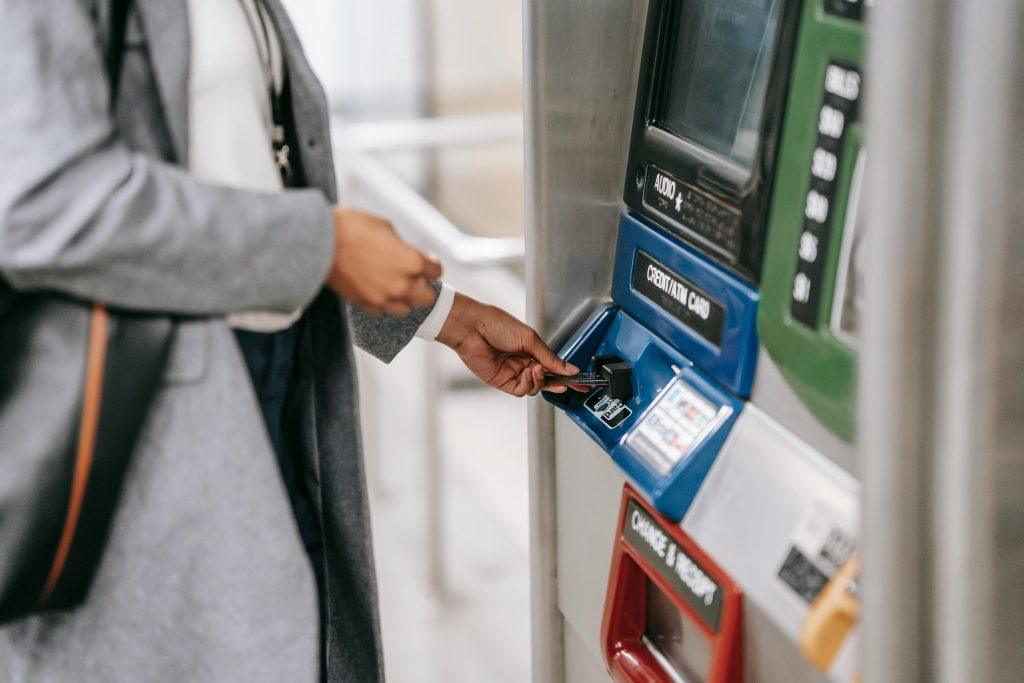
Although digital payments are expanding in South Africa, physical money still accounts for roughly two-thirds of all transactions, especially among people and businesses without reliable access to digital banking infrastructure. The central bank estimates that more than R180 billion ($10.7 billion) in cash flows through the economy annually, representing a significant share of everyday financial activity.
Officials said the current cash system, much of which dates back decades, imposes high costs on banks and consumers alike. Managing, transporting and securing currency cost nearly R90 billion last year, a burden that disproportionately affects poorer households and small businesses. The reforms aim to reduce these costs by improving efficiencies and expanding access points.
The introduction of white-label ATMs, which are not tied to any specific bank, is expected to increase competition in the cash-dispensing market and provide consumers with more options for accessing their money. Regulators also want to improve cash tracking and logistics systems in order to monitor flows better, reduce crime-related losses and help ensure that currency remains available outside the major urban centers.
Financial analysts said the initiative reflects broader efforts by South African authorities to modernize the country’s financial infrastructure while preserving financial inclusion for those who still rely heavily on paper money. Despite rapid growth in mobile and digital payments across parts of Africa, cash remains deeply entrenched in everyday commerce here — a reality that policymakers say must be reconciled with the push toward a more efficient and resilient financial system.
The overhaul could take several years to implement and will require cooperation among the central bank, commercial banks, fintech partners and payment networks. If successful, it would mark the most transformative change to how South Africans interact with physical currency in more than a generation.
