
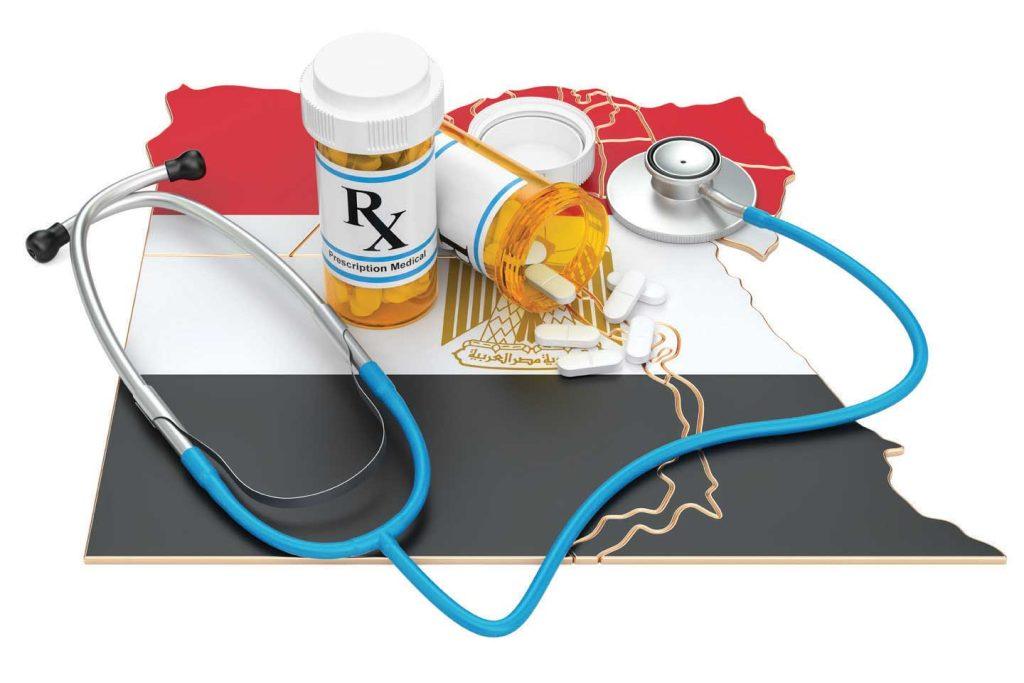
Until now, the country relied almost entirely on imported plasma products, primarily from the United States, a dependence that government officials had identified as a structural vulnerability in the health sector. By fulfilling its own clinical needs, Egypt has become only the sixth country worldwide to attain self-sufficiency in plasma-derived medicines.
“Securing a steady, local supply of these lifesaving medicines is a major public-health achievement,” said an Egyptian health official, who spoke on the condition of anonymity under government briefing protocols. “It ensures continuity of care for patients with chronic and rare conditions without exposure to the volatility of international markets.”
Grifols officials said the initiative, launched after a 2020 agreement with the government, has already generated thousands of jobs and significant economic activity in Egypt. The company projects that its operations will contribute approximately €55 million to the Egyptian economy in 2025 and could grow to more than €272 million annually by 2030 as the program expands.
Over the past five years, GEPD has built a network of plasma donation centers, analysis laboratories and logistics facilities that meet international safety and quality standards. More centers are scheduled to open in the coming year, and a state-of-the-art plasma processing plant is expected to begin operations in 2026, further strengthening the country’s capacity to manufacture therapies locally.
Health experts said the initiative aligns with broader regional goals to improve access to complex medicines and reduce dependence on imports, particularly for treatments for immune disorders, hemophilia and other chronic conditions. While some countries have made incremental gains in localized pharmaceutical production, Egypt’s integration of a full plasma value chain, from donation to finished product, is unprecedented in Africa and the Middle East.
As the medical community grapples with global supply chain challenges and rising demand for biologic therapies, Egypt’s model may serve as a blueprint for other nations seeking to build resilience and health autonomy through public-private collaboration and targeted investment in biotechnology infrastructure.
